
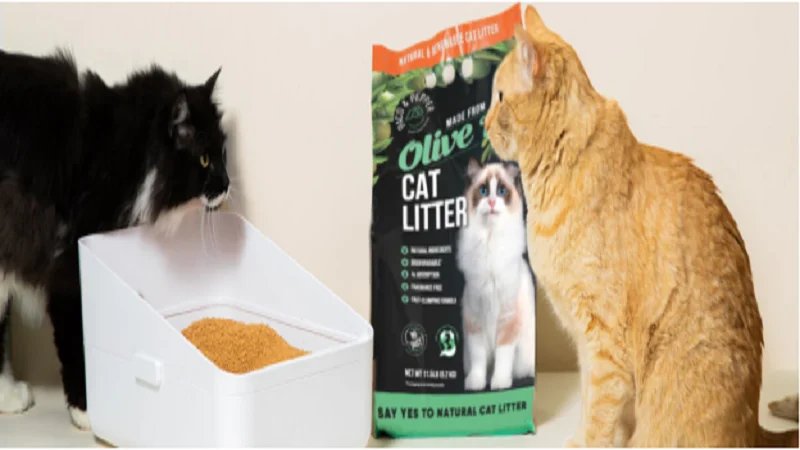
The most common litter box mistake isn’t the brand you buy or the fancy box you pick—it’s the depth.
Too little litter turns the bottom of the pan into a sticky mess and makes cats feel like they can’t “finish the job.” Too much litter encourages digging marathons, spills over the edge, and burns through a bag faster than it should. Somewhere in the middle is the sweet spot — the one that keeps clumps tight, keeps odor under control, and doesn’t leave your floor looking like a beach.
If you want a simple, practical guide that answers the question without turning it into rocket science, start here: how much litter to put in the litter box, and then use the ideas below to dial it in for your cat, your box, and your daily routine.
Why litter depth changes everything
Cats don’t just use a litter box — they interact with it. They step, turn, dig, cover, and then they leave. Litter depth controls what happens during every part of that little routine.
When the layer is too thin, urine hits the bottom faster, spreads, and creates that stubborn film you end up scraping. Clumps break apart because there’s not enough material to bind the moisture, so you scoop more crumbs than clumps. That’s when the box starts smelling “even though you just cleaned it.”
When the layer is too thick, the opposite problem shows up. Cats can dig deep, bury everything aggressively, and fling litter like a snowplow. You’ll notice more tracking and more litter outside the box—not because your cat suddenly got messy, but because you gave them extra fuel for the excavation.
The right depth makes everything calmer — less digging drama, easier scooping, and less waste.
The baseline most cats do best with
For a typical adult cat using a standard box, a moderate layer is usually the easiest path. It gives enough depth for digging and covering without letting the box turn into a sandbox.
The goal is simple: enough litter so clumps form quickly and lift out cleanly, but not so much that your cat disappears into it like it’s a spa treatment.
If you’re switching litters, keep in mind that different materials behave differently at the same depth. Some feel “deeper” because they’re lighter or finer. Others settle more and feel shallower over time. So treat any number as a starting point, not a rule carved into stone.
When a little more litter helps
There are situations where a slightly thicker layer is your friend.
Big cats leave more volume — a Maine Coon isn’t going to use the box the same way a petite cat does. A larger body also means bigger turns, more paw movement, and a higher chance of pushing litter aside. A bit more depth helps keep clumps solid and prevents urine from hitting the bottom too quickly.
Multi-cat homes also chew through litter faster because the surface gets disturbed more often. If you scoop regularly, a slightly deeper fill can keep the box usable between scoops without turning into a wet, churned-up mix.
And if your cat is a determined digger — the kind that buries everything like they’re protecting state secrets—a little extra depth can reduce the chance that they scrape the bottom of the pan and end up avoiding the box later.
When less litter is the smarter move
Kittens are the obvious case. They’re small, unsteady, and sometimes they taste everything. A thinner layer helps them learn the box without sinking into it, and it keeps the whole setup easier to manage while they’re still figuring out the routine.
Older cats can also do better with a slightly reduced depth. If your cat has any stiffness, arthritis, or slower movement, a deep, shifting surface can feel unstable under their paws. A simpler, flatter surface makes it easier to step in, turn around, and step out without slipping.
And if your biggest problem is litter getting everywhere — especially if you already have a good mat and you’re still seeing scatter — reducing depth a bit can cut down on the amount your cat can launch over the edge during digging.
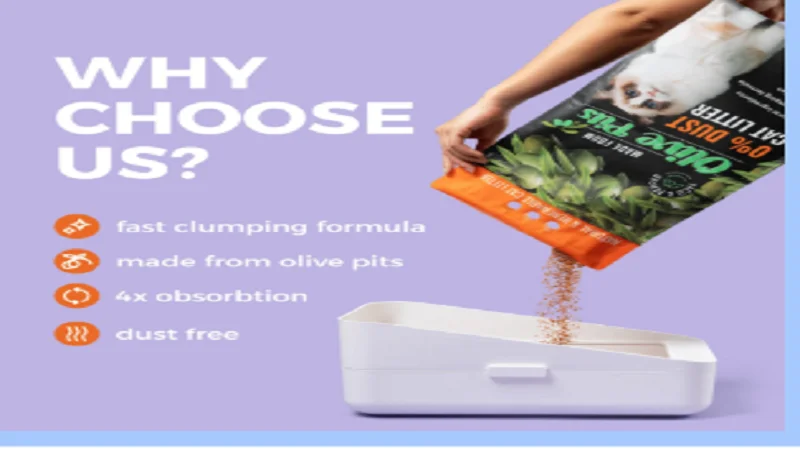 The box matters more than people admit
Depth isn’t just about inches—it’s about the relationship between the litter level and the box walls.
A shallow box with a deep fill is basically an invitation to spill. A high-sided box gives you more room to work with. Covered boxes can contain scatter, but they also change how some cats dig and how air moves inside the box. Top-entry boxes can reduce tracking for certain cats, but they’re not great for every household, especially if you have an older cat or a cat that doesn’t like jumping.
If you’re trying to solve a depth problem and nothing seems to work, step back and check the box itself. Some “litter problems” are really “box geometry problems.”
The hidden factor — how often you scoop
People love debating the perfect depth, but the real secret is consistency.
Even the best depth stops working if the box isn’t scooped often enough. Over time, the surface turns into a mixed layer—clean granules, damp granules, broken clumps, and tiny crumbs. That mixed layer behaves differently than fresh litter. It clumps worse. It smells more. It sticks to paws more. And it makes cats dig more aggressively because they’re trying to find a spot that feels clean.
If you scoop daily, you can usually keep a steady depth and get predictable results. If you scoop every few days, you’ll end up “chasing” the box—adding more litter, battling odor, and wondering why the same setup worked last month but not this week.
Depth works best when the box stays stable.
How to dial in the “right” amount in your own home
Instead of guessing forever, use your cat’s behavior as the feedback loop.
If clumps are sticking to the bottom, breaking apart, or turning into wet cement—your layer is probably too thin, or you’re not scooping often enough, or both.
If you’re seeing a lot of litter outside the box right after your cat uses it—not just a few tracked pieces, but a real scatter pattern—your layer is probably too thick for that box, or the box sides are too low for your cat’s digging style.
If your cat is suddenly digging way more than usual, pawing at the sides, or acting annoyed in the box—don’t assume it’s “bad behavior.” Often it’s a texture issue, a dirty surface issue, or a depth that feels wrong to them.
Adjust in small steps. Give it a few days. Watch what changes. Cats are very consistent once they’re comfortable.
 Why the material you choose changes how much you need
This is where people get tripped up. Two inches of one litter isn’t always the same as two inches of another.
Some litters are very fine and light—they can feel deep even at lower levels, and they can track easily. Some are heavier and more stable — they sit in place, track less, and don’t need to be piled high to work well. Clumping performance matters too, because if clumps form quickly and hold together, you don’t need to overfill “just in case.”
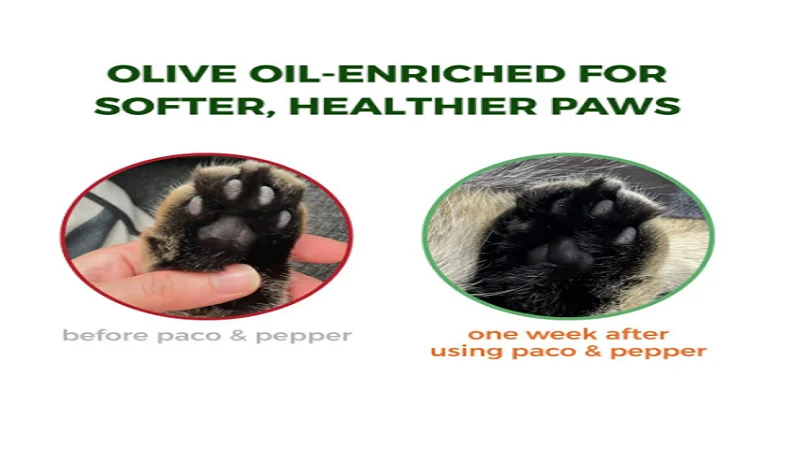
That’s one reason plant-based options have become more popular — many cat owners want something that clumps tightly, doesn’t create dusty air, and doesn’t turn the box into a gritty fog every time their cat digs.
The simple goal that makes the whole thing easier
Don’t aim for the “maximum” amount of litter. Aim for the “cleanest clump with the least chaos.”
When you hit that balance, you’ll notice the difference immediately. Scooping becomes quick instead of frustrating. Odor stays controlled without adding extra products. Your cat uses the box without drama. And your litter bag lasts the amount of time it should, instead of disappearing because you kept overfilling to fight the wrong problem.
If you want to learn more about olive-pit litter and a straightforward routine that keeps the litter box cleaner with less dust and less tracking, start here at Paco & Pepper. See More