
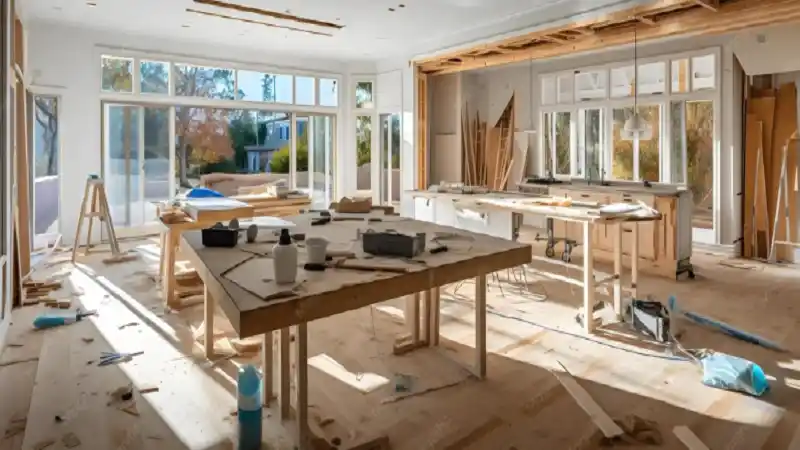
A home does not need a complete renovation to feel noticeably better. Sometimes, the biggest improvements come from small changes that solve everyday problems: poor lighting, limited storage, uncomfortable layouts, outdated fixtures, or rooms that simply do not work well for the people living in them.
The smartest home improvements are not always the most expensive ones. They are the projects that improve comfort, functionality, efficiency, and appearance at the same time.
If you are looking for practical ways to upgrade your home without turning your renovation into an overwhelming project, here are ten improvements worth considering.
1. Upgrade the Lighting Before Changing Everything Else
Lighting can completely change how a room looks and feels.
A poorly lit room may appear smaller, darker, and less inviting, even when the furniture and décor are attractive. Instead of immediately replacing expensive furniture, consider improving the lighting first.
Use a combination of:
- Ceiling lighting for general illumination
- Task lighting for work areas
- Accent lighting for decorative features
- Warm lighting in relaxing spaces
- Brighter, focused lighting in kitchens and work areas
Layered lighting gives you greater control over the atmosphere of a room and can make an existing interior feel considerably more polished.
2. Create Storage Where You Already Have Space
Clutter is one of the fastest ways to make a home feel uncomfortable.
Before buying additional cabinets or furniture, look at the unused areas around your home. The space underneath stairs, empty wall sections, the area above doors, and awkward corners can often become useful storage.
Floating shelves, built-in cabinets, storage benches, and vertical shelving can increase storage capacity without consuming much floor space.
The goal is not simply to add more storage. It is to make frequently used items easier to find while keeping everyday spaces visually clean.
3. Give Your Kitchen a Functional Upgrade
The kitchen is one of the busiest rooms in most homes, so even a relatively small improvement can have a major impact.
You do not necessarily need new cabinets or a complete remodel. Replacing outdated lighting, improving cabinet organisation, upgrading handles, adding a useful backsplash, or reorganising work areas can make the kitchen more enjoyable to use.
Pay particular attention to the areas where you prepare food, wash dishes, and store frequently used items. A better workflow can sometimes be more valuable than a more expensive appearance.
For homeowners looking for additional inspiration, The MintPalment offers practical ideas covering kitchen improvements, home upgrades, and interior design.
4. Improve the Entryway
The entrance is often overlooked, yet it influences the first impression of the entire home.
A functional entryway should have a clear place for shoes, coats, keys, bags, and other items that people normally leave near the door.
A small bench, wall hooks, a narrow console, or a compact shoe cabinet can turn an untidy entrance into an organised space.
Even a simple mirror and improved lighting can make a narrow entryway feel larger and brighter.
5. Refresh Walls Without Major Construction
Changing walls does not always mean a major renovation.
A new paint colour can completely alter the atmosphere of a room. Soft neutral colours can create a calm appearance, while carefully selected darker shades can add depth and character.
If painting every wall is not practical, consider creating one feature wall.
Wallpaper, textured finishes, wood panels, or artwork can also provide visual interest without requiring structural changes.
The key is to choose a finish that works with the room’s existing lighting, furniture, and purpose.
6. Make the Bedroom More Comfortable
A bedroom should support relaxation rather than simply look attractive.
Start with the basics: comfortable lighting, sensible storage, appropriate window coverings, and a layout that leaves enough space to move around easily.
Reducing visible clutter can also make a bedroom feel more peaceful.
Instead of filling the room with decorative items, focus on a few elements that contribute to comfort and personality.
7. Consider Energy-Efficient Improvements
Some home upgrades can improve comfort while potentially reducing unnecessary energy use.
Depending on the property, useful improvements may include:
- More efficient lighting
- Better insulation
- Draft reduction
- Energy-efficient appliances
- Improved window coverings
- Smarter heating and cooling controls
Energy efficiency should be approached as part of the overall design of the home rather than treated as a separate project.
8. Upgrade the Bathroom Strategically
Bathrooms can become expensive renovation projects, but not every bathroom needs to be completely rebuilt.
Replacing outdated fixtures, improving lighting, adding practical storage, updating mirrors, or refreshing wall finishes can create a noticeable difference.
If the existing layout works well, keeping it may save both time and money.
Before removing anything, ask whether the current problem is actually the layout or simply outdated materials and fixtures.
9. Improve the Floor-to-Furniture Relationship
Flooring has a major influence on the visual balance of a room.
However, replacing an entire floor may not always be necessary. Sometimes, the right rug, furniture arrangement, or maintenance work can improve the appearance of an existing floor.
If new flooring is required, consider durability as well as appearance. A beautiful material that is difficult to maintain may not be the best choice for a busy household.
Think about how the room is actually used before selecting a finish.
10. Plan Improvements Around Your Lifestyle
Perhaps the most important home improvement principle is to design around the people who actually live in the house.
A family with young children will have different priorities from a couple working from home. Someone living in a small apartment may value storage and flexible furniture, while another homeowner may prioritise outdoor living or entertaining.
Before starting any project, ask:
- What problem am I trying to solve?
- How often will this improvement be used?
- Will it make everyday life easier?
- Does it fit my available budget?
- Will it require significant maintenance?
- Does it support the way I actually use the space?
These questions can prevent attractive but unnecessary renovations.
The Best Home Upgrade Is the One You Notice Every Day
A successful home improvement project does not have to be dramatic.
Better lighting, smarter storage, a more functional kitchen, improved organisation, and carefully selected finishes can make a home feel more comfortable without requiring a complete transformation.
The best projects combine appearance with practical value. Instead of asking what is currently trending, start by asking what your home needs most.
When improvements are planned around comfort, functionality, efficiency, and lifestyle, even relatively small changes can have a surprisingly large effect.