
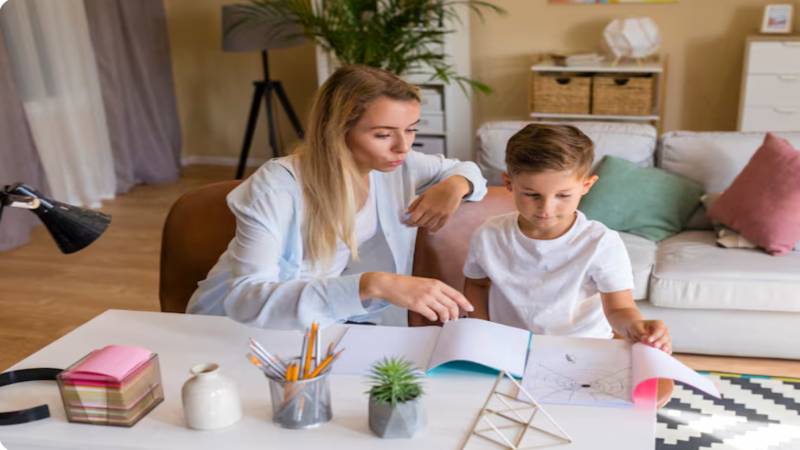
Family life is full of special moments, everyday challenges, and opportunities to learn something new. Parents often look for simple ways to make their homes more organized, their children happier, and their daily routines easier. From creative activities and family recipes to parenting advice and household solutions, useful information can make a meaningful difference in everyday life.
Modern families have access to countless ideas through digital media, books, social communities, and personal experiences. However, the most helpful information is often practical, easy to understand, and suitable for real family situations. Parents do not always need complicated solutions. Sometimes, a simple activity, an affordable household idea, or a thoughtful parenting approach can make an ordinary day more enjoyable.
The concept of look whatmomfound reflects the curiosity and creativity associated with discovering useful ideas for family living. It represents an interest in exploring parenting experiences, home activities, practical discoveries, and inspiration that can bring families closer together.
1. Understanding the Importance of Family Inspiration
Family inspiration can come from many different places. It may involve a new recipe, an educational activity for children, a creative home project, or a useful way to organize daily responsibilities.
Parents have different lifestyles, responsibilities, and family needs. Some manage busy working schedules, while others spend more time caring for children at home. Regardless of their circumstances, families can benefit from ideas that make daily life more manageable.
Practical inspiration encourages parents to try new approaches without feeling pressured to achieve perfection. It also reminds families that meaningful experiences do not always require expensive products or elaborate plans.
Simple activities such as reading together, preparing meals as a family, or spending time outdoors can create lasting memories.
2. Creative Activities for Children
Children naturally enjoy exploring, experimenting, and learning through play. Creative activities allow them to express their imagination while developing important skills.
Parents can introduce different activities according to their children’s ages and interests.
Some useful ideas include:
-
- Drawing and painting: Encourage children to create pictures using crayons, colored pencils, or washable paints.
-
- Paper crafts: Making greeting cards, paper animals, and simple decorations can improve creativity.
-
- Building activities: Blocks and construction toys help children understand shapes, balance, and problem-solving.
-
- Storytelling: Creating stories together can improve vocabulary and communication skills.
-
- Nature exploration: Collecting leaves, observing insects, and identifying plants can introduce children to the natural world.
These activities do not need to be complicated. Parents can use common household materials to create enjoyable learning experiences.
It is also important to choose age-appropriate activities and supervise children when using scissors, small objects, or other potentially unsafe materials.
3. Simple Parenting Tips for Everyday Life
Parenting involves making many decisions every day. Children need love, guidance, patience, and consistent support as they grow.
One useful parenting approach is to establish clear and realistic routines. Regular times for meals, homework, play, and sleep can help children understand daily expectations.
Communication is equally important. Parents should listen carefully when children share their thoughts, concerns, or experiences. Giving children time to express themselves can strengthen trust and emotional connections.
Here are some practical parenting guidelines:
Be patient: Children learn at different speeds. Mistakes are a natural part of development.
Set clear expectations: Simple household rules help children understand acceptable behavior.
Encourage independence: Allow children to complete suitable tasks, such as organizing their toys or choosing their clothes.
Recognize positive behavior: Appreciation and encouragement can motivate children to develop good habits.
Spend quality time together: Regular family activities help strengthen relationships.
Parents should remember that every child is different. A parenting method that works well for one family may need adjustments for another.
4. Making Home Life More Organized
A well-organized home can reduce unnecessary stress and make everyday responsibilities easier to manage.
Organization does not mean keeping everything perfect. Instead, it involves creating practical systems that help family members find what they need and complete daily tasks.
One effective method is to assign specific places for frequently used items. Toys can be stored in labeled containers, school supplies can be kept together, and important documents can be organized in folders.
Families can also create simple weekly schedules for household responsibilities.
For example:
-
- Monday can be used for organizing bedrooms.
-
- Tuesday can focus on laundry.
-
- Wednesday can be reserved for grocery planning.
-
- Thursday can involve cleaning shared spaces.
-
- Friday can be used to prepare for the weekend.
The schedule should remain flexible because family responsibilities can change.
Children can also participate in suitable household tasks. Helping with small responsibilities teaches cooperation, independence, and respect for shared spaces.
5. Easy and Affordable Family Meal Ideas
Food is an important part of family life. Preparing meals at home can provide opportunities for family members to spend time together while developing healthy eating habits.
Parents can make meal planning easier by choosing simple recipes that use affordable and commonly available ingredients.
Some family-friendly meal ideas include:
-
- Vegetable rice with yogurt.
-
- Homemade chicken sandwiches.
-
- Vegetable omelets.
-
- Lentil soup with fresh bread.
-
- Homemade pasta with vegetables.
-
- Fruit salads and homemade smoothies.
Planning meals ahead of time can also reduce food waste and unnecessary spending.
Parents should try to include a variety of vegetables, fruits, whole grains, and suitable protein sources in family meals. Children’s food preferences may change as they grow, so introducing new foods patiently can be helpful.
Involving children in safe kitchen activities can make cooking more enjoyable. Younger children may wash vegetables or arrange fruit, while older children can help measure ingredients under adult supervision.
6. Learning Through Family Activities
Learning does not happen only in classrooms. Everyday family activities can help children develop knowledge and important life skills.
Cooking, shopping, gardening, reading, and traveling can all become educational experiences.
For example, parents can introduce basic mathematics while preparing a recipe. Measuring ingredients helps children understand quantities, fractions, and numbers.
Reading together can improve language development and encourage curiosity. Parents can ask children questions about stories, characters, and events to develop their thinking skills.
Gardening can teach children about plants, weather, responsibility, and the environment.
These experiences demonstrate that education can be enjoyable when children have opportunities to participate actively.
The look whatmomfound approach to family inspiration can be connected with this idea of discovering learning opportunities in ordinary situations.
7. The Importance of Family Bonding
Strong family relationships are built through communication, trust, respect, and shared experiences.
Busy schedules sometimes make it difficult for family members to spend time together. However, small daily activities can help maintain meaningful connections.
Families can establish traditions such as having dinner together, enjoying a weekly movie night, playing board games, or taking short walks.
Listening is another important part of family bonding. Parents should encourage children to discuss their interests and feelings without fear of unnecessary criticism.
Family members should also learn to resolve disagreements respectfully. Differences of opinion are normal, but calm communication can prevent small problems from becoming larger conflicts.
Creating a supportive home environment helps children feel valued and understood.
8. Budget-Friendly Ideas for Families
Managing household expenses is an important responsibility for many parents. Family activities and enjoyable experiences do not always require large budgets.
With thoughtful planning, families can find affordable ways to spend time together.
Consider these ideas:
-
- Organize a picnic at a local park.
-
- Create homemade decorations using recycled materials.
-
- Arrange a family game evening.
-
- Visit a public library.
-
- Prepare homemade snacks instead of purchasing expensive alternatives.
-
- Exchange books and toys with relatives when appropriate.
-
- Plan weekly shopping according to a realistic budget.
Parents can also teach children basic money-management skills. Explaining the difference between needs and wants helps children understand responsible spending.
Saving a small amount regularly can support future family expenses and provide greater financial flexibility.
9. Using Digital Resources Responsibly
Digital technology has created new opportunities for families to discover information, educational materials, entertainment, and creative inspiration.
Parents can use digital resources to find recipes, printable learning activities, craft instructions, and household organization ideas.
However, responsible digital habits are important, especially when children use smartphones, tablets, or computers.
Parents should consider the following guidelines:
-
- Choose age-appropriate content.
-
- Set reasonable screen-time limits.
-
- Encourage offline activities.
-
- Protect children’s personal information.
-
- Discuss online safety and respectful communication.
-
- Supervise younger children while they use digital devices.
Technology should support family life rather than replace personal communication and physical activities.
A balanced approach allows children to benefit from digital learning while maintaining healthy daily routines.
10. Building Positive Family Habits
Positive habits develop through regular practice. Parents can help children establish routines that support physical health, emotional well-being, and personal responsibility.
Some useful habits include:
Regular reading: Encourage children to read books or age-appropriate educational materials.
Physical activity: Make time for outdoor games, walking, cycling, or other enjoyable movement.
Healthy sleep routines: Maintain consistent sleeping and waking times whenever possible.
Personal responsibility: Teach children to organize their belongings and complete suitable tasks.
Gratitude: Encourage family members to recognize and appreciate positive experiences.
Parents should introduce new habits gradually rather than expecting immediate changes. Small improvements made consistently are often more effective than complicated routines that are difficult to maintain.
11. Practical Guidelines for Creating a Happy Home Environment
A happy home is not necessarily a perfect home. It is a place where family members feel safe, respected, supported, and comfortable expressing themselves.
Parents can improve the home environment by encouraging kindness, sharing responsibilities, and creating opportunities for meaningful conversations.
It is also important to recognize that parents need time for themselves. Managing work, household responsibilities, and childcare can become exhausting. Taking reasonable breaks and maintaining personal interests can help parents manage everyday pressures.
Families should celebrate achievements, support each other during difficult periods, and remember that mistakes provide opportunities to learn.
The look whatmomfound theme highlights the value of curiosity, practical discoveries, and simple ideas that can make everyday family experiences more enjoyable.
Conclusion
Family life becomes more meaningful when parents focus on communication, creativity, learning, and shared experiences. Simple activities such as cooking together, reading stories, organizing the home, and exploring nature can create valuable memories while helping children develop important skills.
There is no single method that works for every family. Each household has different needs, routines, and responsibilities. The most useful approach is to choose practical ideas that fit the family’s lifestyle and make gradual improvements over time.
Ultimately, look whatmomfound represents an interest in discovering everyday inspiration and useful family ideas. By embracing creativity, responsible parenting, and thoughtful planning, families can build a supportive home environment where everyone has opportunities to learn, grow, and enjoy time together.See More