
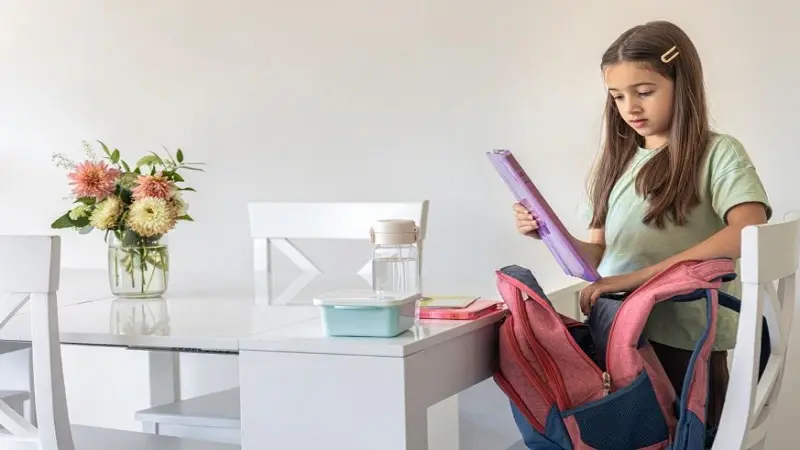
A practical guide for parents of elementary and middle school students
Every school year, millions of children carry backpacks filled with books, notebooks, water bottles, and lunch boxes. It is part of daily school life. But many parents don’t realize that the backpack itself can affect a child’s comfort and posture.
A poorly designed backpack can cause strain on a growing body. When a bag is too heavy, hangs too low, or lacks support, children often change the way they walk or stand to compensate. Over time, this can lead to discomfort and poor posture.
The good news is that choosing the right backpack design can make a big difference. With a few simple features and habits, parents can help children carry their school supplies more comfortably throughout the year.
The Hidden Problems of Poor Backpack Design
Children’s bodies are still developing. Because of this, they are more sensitive to repeated strain than adults. If a backpack is poorly designed or overloaded, the body adapts in ways that can create problems over time.
Some common issues include:
Forward-leaning posture
Children may lean forward when the backpack pulls their shoulders backward. This can lead to rounded shoulders and neck strain.
Lower back discomfort
A heavy or low-hanging bag puts extra pressure on the lower back muscles.
Uneven load on the spine
Single-strap bags or backpacks worn on one shoulder can create imbalance and stress on one side of the body.
Shoulder pressure
Thin straps can dig into the shoulders, causing irritation and discomfort during long walks or busy school days.
Health experts usually recommend that a backpack should weigh no more than 10–15% of a child’s body weight. But weight alone is not the only factor. How the weight is carried matters just as much.
What Makes a Backpack Ergonomic?
The word “ergonomic” is often used in marketing, but true ergonomic design includes several important features that help support the body.
Here are the key things to look for.
Padded Shoulder Straps
Wide, padded straps help spread weight across the shoulders. This reduces pressure and prevents straps from digging into the skin.
Straps that follow the natural curve of the shoulders are also better than flat straps. They stay in place more easily and feel more comfortable during movement.
Chest Strap
A chest strap connects the two shoulder straps across the chest. This small feature keeps the backpack stable and prevents the straps from sliding outward.
For active children who move a lot between classes or play outside, a chest strap can make a noticeable difference.
Structured Back Panel
A supportive back panel helps protect the spine from pressure caused by books or hard objects inside the bag. Some backpacks also include gentle lumbar support that follows the natural curve of the lower back.
Smart Weight Distribution
Good backpack design places heavier items closer to the back and higher on the bag. This reduces the pulling force on the spine and helps children maintain better posture.
Multiple compartments also help kids organize their school items and avoid placing everything in one large pocket.
Breathable Materials
Breathable mesh panels improve airflow between the backpack and the child’s back. This keeps the bag more comfortable during warmer days and helps prevent sweating.
Parents who want to see how these features work together can look at purpose-built ergonomic school backpacks, which are designed specifically to support children during daily school use.
How Parents Can Choose the Right Backpack?
With so many backpack options available, choosing the right one may seem difficult. Fortunately, a few simple steps can make the process easier.
Choose the correct size
The backpack should sit comfortably between the shoulder blades and the top of the hips. It should not hang below the waist.
Test the backpack with weight
Trying on an empty bag does not show how it will feel during a school day. Add books or similar items to simulate a typical load.
Adjust the straps properly
Shoulder straps should be snug but not tight. The backpack should stay close to the body and not swing while walking.
Focus on function, not only style
Children often choose backpacks based on colors or characters. While that is understandable, it is important to check that the bag also includes proper support and structure.
Check the contents regularly
Backpacks can slowly become heavier as children accumulate extra items. Removing unnecessary books or objects once a week can help keep the load manageable.
Why Lightweight Backpacks Matter?
Children carry their backpacks many times during the school day. They may walk to school, move between classrooms, wait for buses, or carry their bag during after-school activities.
Because of this, even small weight differences can matter.
A backpack that weighs 500 grams less may not seem important in the morning. But after several hours of carrying and lifting it throughout the day, the difference can reduce fatigue and muscle strain.
Modern backpack designs focus on balancing support and weight. Lightweight materials and efficient internal structures allow the bag to remain durable without adding unnecessary weight.
When a backpack feels comfortable, children are also more likely to wear it correctly using both shoulder straps. This small habit can greatly improve posture and reduce strain.
A Small Choice That Supports Long-Term Health
Children spend many years carrying backpacks during their school life. During that time, their bodies grow and change quickly. Small daily habits — including how they carry their school supplies — can influence their comfort and posture.
Choosing a backpack with padded straps, a chest strap, supportive structure, and lightweight materials helps remove one common source of strain.
A well-designed backpack will not solve every posture problem, but it can make daily school life much more comfortable.
When shopping for a new backpack, it is worth taking a few extra minutes to check how the bag fits and how it distributes weight. Those small decisions can help support a child’s back throughout the school year — even if they never notice the difference themselves. See more